
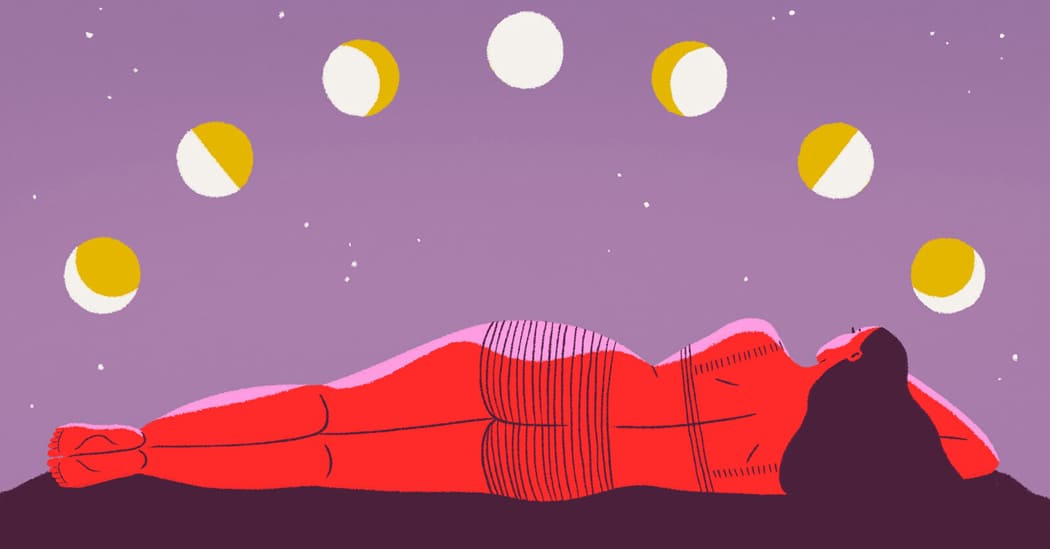


Let us understand your body through every chapter of womanhood.
The first period marks the beginning of one story. Menopause marks the beginning of another. Everything in between is a long personal journey that deserves care.
A woman’s reproductive health depends on hormones, lifestyle, stress, genetics and everyday pressures . Whether you are going through irregular cycles, pregnancy, PCOS, menopause or mood swings, knowing what’s happening inside your body can help you a lot.
The first period usually arrives between ages 9 - 14. It is the time that estrogen and progesterone begin collaborating in a monthly cycle.
During the early years, it’s completely normal for cycles to be irregular. The body is learning its pattern. Some months might be heavy, some light, some skipped entirely.
Common experiences during early menstrual years:

This cycle not only affects fertility. It changes the skin, sleep, mood, digestion, metabolism and concentration. Women feel the changes in energy. when ovulating they feel more active, and when having periods they feel slower.
Perimenopause:
Perimenopause, the years which leads to menopause, usually begins in the 40s.
Symptoms
Menopause:
It is said that menopause occurs when a woman has not got a period for almost one year. This normally occurs during 45-55 years.
Estrogen levels decrease during menopause that may impact the bones, heart, metabolism, skin and mood. Through proper treatment, women can even be very active and energetic until their 50s, 60s and even after. It is the beginning of the new era when fertility is not the focus but general wellness.
Whether you are going through your first period, planning a pregnancy or in a menopause, having a trustworthy gynecologist makes your journey easier. Consult Dr. Sarada Mamilla at Yashoda Hospitals, Hyderabad for expert guidance.
Are you an international patient looking for the best gynecological care in India? Consult Dr. Sarada Mamilla, the best gynecologist & Laparoscopic Surgeon in India, offering top notch care for complex cases of uterine fibroids, endometriosis, adenomyosis & gynecological malignancies.
Copyright © 2025 All rights reserved By Dr.Sarada
