
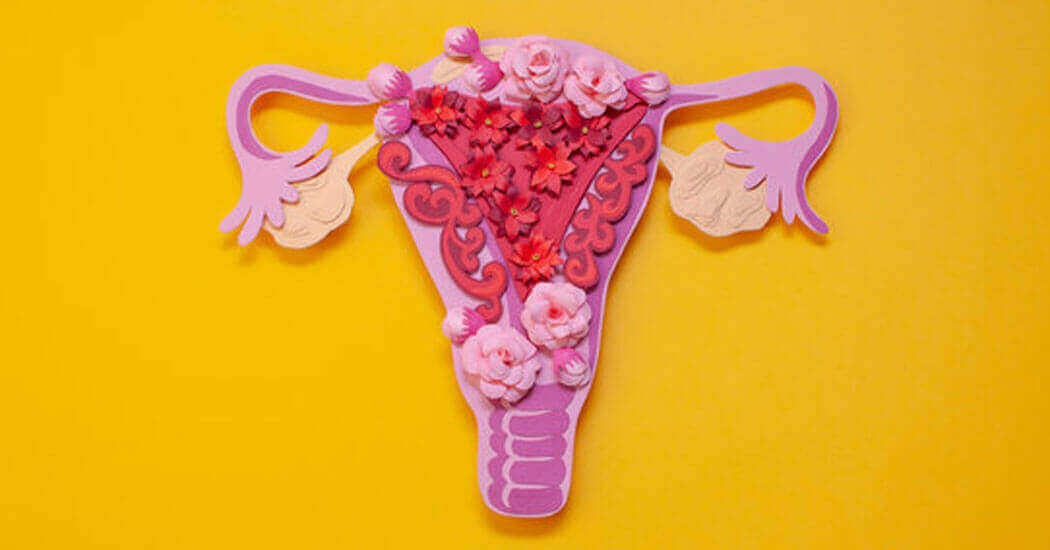

Did you know that an estimated 2% to 10% women in the age group of 25 to 40 develop endometriosis?
Endometrium is the tissue that lines the uterus. Patients with endometriosis tend to have a similar type of tissue outside the uterine cavity. Endometrial tissue that develops outside the uterus is known as endometrial implant.
The hormonal changes resulting from the menstrual cycles can affect the endometrial tissue causing it to grow, thicken & breakdown. This can lead to:

Endometriosis can occur in any of the following areas:
In some rare cases, the endometrial tissue may develop in the intestines, rectum, bladder, vagina, cervix or the vulva.
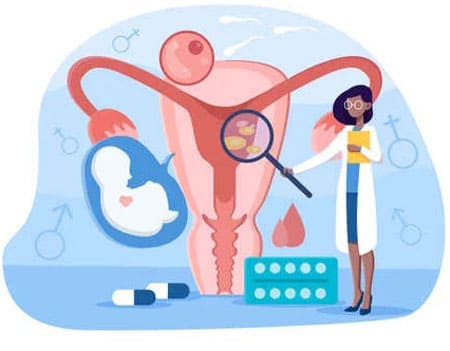
There has been a lot of research on what causes this medical condition, but it is still unclear as to why some women experience this illness. However, there are certain factors that can put you at risk.
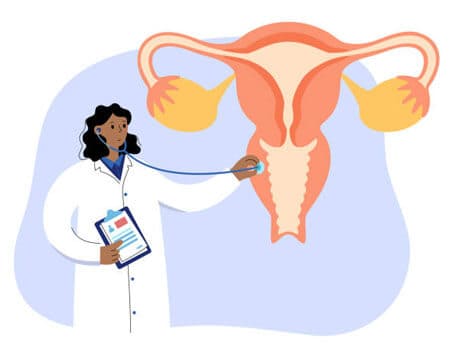
While there is no cure for endometriosis, there are many treatment approaches that can help you manage the symptoms better. Treatment depends on several factors such as:
Treatment Options include:
Pain Medications: The patient may be recommended either over the counter pain medicines or Non-Steroidal Anti Inflammatory drugs (NSAIDs) like Ibuprofen or naproxin.
Hormonal Therapy: Hormones can help lower the amount of oestrogen in the body & can stop the periods. This can reduce inflammation scarring & formation of cysts.
Surgical Intervention: There are three surgical techniques that may be used to treat endometriosis. These include:


Laparoscopy: This is a minor surgical procedure in which the laparoscope is inserted into the abdominal wall to see the pelvic area & remove the endometrial growths. Dr. Sarada Mamilla is an expert gynaecological laparoscopic surgeon in Hyderabad and is the best doctor for treatment of endometriosis.

Laparotomy: This is a relatively more extensive surgery that involves removal of as much displaced endometrium as possible without damaging healthy tissues. Dr Sarada Mamilla is an expert in performing laparotomy, with experience of over 20 years.
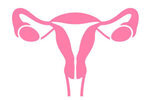
Hysterectomy: This involves removal of the uterus, cervix & ovaries. These organs make oestrogen & oestrogen can cause the growth of the endometrial tissue. This is known as total hysterectomy.
There are two other types of hysterectomies - Radical Hysterectomy & Subtotal Hysterectomy.
In subtotal hysterectomy, only the upper part of the uterus is removed leaving the cervix in place. In radical hysterectomy, which is generally performed when cancer is present, the entire uterus, cervix & the upper part of vagina are removed.
Dr Sarada Mamilla is the best gynaecologist & laparoscopic surgeon for performing Hysterectomy. She has successfully performed over 1000+ hysterectomies & is acclaimed to be the best.
Endometriosis is a condition where tissue similar to the uterine lining grows outside the uterus. It commonly affects the ovaries, fallopian tubes, and pelvic lining.
Common symptoms of endometriosis include:
The exact cause of endometriosis is unknown, but several risk factors may contribute to it.
These include:
Understanding these factors can help in early detection and management.
Endometriosis is diagnosed using a combination of clinical evaluation and imaging tests in Hyderabad.
Common diagnostic methods include:
Early diagnosis helps in planning effective endometriosis treatment.
Endometriosis treatment depends on symptom severity and fertility goals.
Treatment options include:
Minimally invasive laparoscopy is the most common and effective approach.
Endometriosis treatment should be handled by an experienced gynecologist or laparoscopic surgeon.
Dr. Sarada Mamilla is a specialist in:
Consulting a specialist ensures accurate diagnosis and effective treatment.
Are you an international patient looking for the best gynecological care in India? Consult Dr. Sarada Mamilla, the best gynecologist & Laparoscopic Surgeon in India, offering top notch care for complex cases of uterine fibroids, endometriosis, adenomyosis & gynecological malignancies.
Copyright © 2025 All rights reserved By Dr.Sarada
