



Dr Sarada Mamilla - Best gynecologist in hyderabad
Best gynecologist in hyderabad

Dr. Sarada Mamilla - Best Gynecologist & Laparoscopic Robotic Surgeon

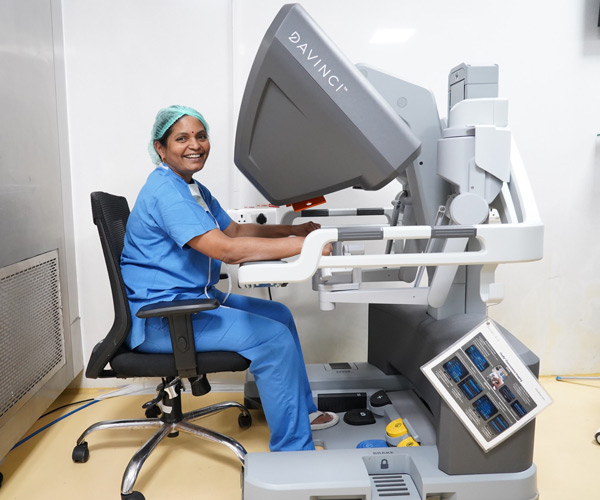
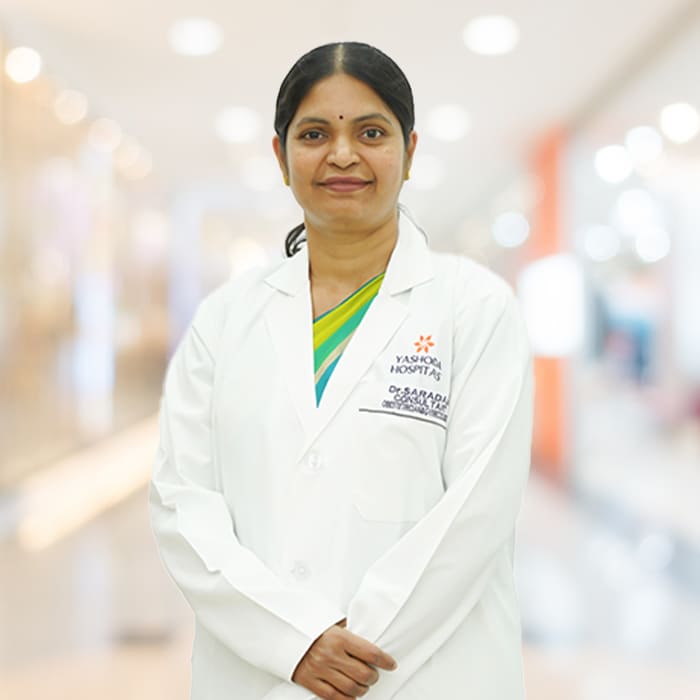
Dr. Sarada is an accomplished gynecologist with a special interest in Laparoscopic and Hysteroscopic procedures. She is one of the few surgeons with expertise in Non-Descent Vaginal Hysterectomy and is also one of the pioneers of Robotic Gynecology in Hyderabad.

image
image
Best gynecologist for normal delivery in Hyderabad
image
image
image
image
image

Know Your Doctor:
Dr. Sarada Mamilla

Best gynecologist for normal delivery in Hyderabad

The Best Gynecologist in Hyderabad

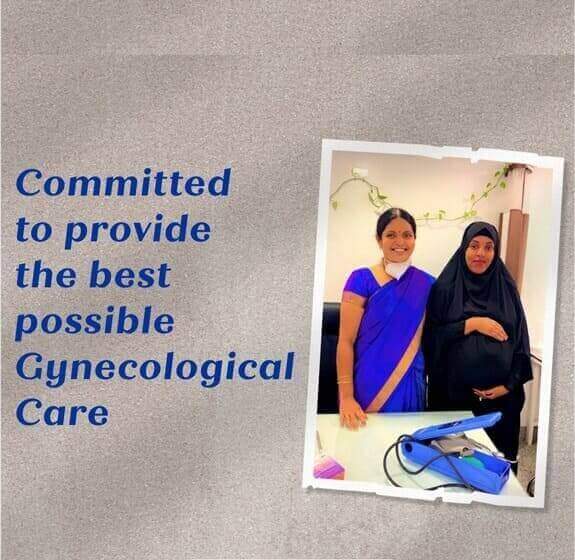
Dr. Sarada Mamilla is one of the best gynecologists in Hyderabad. With over 25 years of experience in obstetrics and gynecology, Dr. Sarada is the gynecologist to be consulted if a young expectant mother, is hoping for normal delivery.

Having performed more than 1000 laparoscopy procedures, as part of her expertise, Dr. Sarada has also led a team of gynecologists and obstetricians at Yashoda hospital. To her credit, this hard-working doctor has performed over 1500 normal deliveries, which is indeed a feat in itself! At the other end of the gynecological spectrum, this hardworking doctor has also performed over 1000 hysterectomies.


25+ Years

Experience

100% Patient

Satisfaction

Our Services

Gynecology

Dr Sarada Mamilla is an expert in successfully treating all gynaecological disorders that women may encounter during their lifetime right from their first period until menopause.

Best gynecologist near me Hyderabad - Dr Sarada

Obstetrics

Dr Sarada Mamilla is one of the most acclaimed obstetricians in Hyderabad. She is known to successfully deliver babies through normal delivery & cesarean section even in the most complex cases.

Normal delivery doctor near me - Dr Sarada Mamilla

Best Doctor for Scarless Hysterectomy

Dr. Sarada is an advanced laparoscopic surgeon, specialised in Non Descent Vaginal Hysterectomy (NDVH). NDVH is minimally invasive, safe, effective & economical surgery. If you have been advised to get a hysterectomy, find out if you are a candidate for NDVH.

Areas of Expertise

Best doctor for hysterectomy in Hyderabad,India
Best doctor for hysterectomy in Hyderabad/India

Robotic Gynecology

Robotic gynecologic surgical operation is a modern advancement that gives women secure, effective treatment for a ramification of situations affecting the uterus, ovaries, fallopian tubes, and pelvic organs. By combining robot generation with the know-how of professional surgeons like Dr. Sarada, patients can benefit from precise, minimally invasive strategies that reduce ache, blood loss, and healing time.

Minimally invasive robot surgical operation is quickly turning into the gold standard for plenty of gynecological techniques because of its precision and protection profile. Whether you are dealing with benign situations like fibroids or complex gynecologic cancers, robot surgical treatment can help reap higher results with much less trauma.

Top Hysterectomy gynaecologist in Hyderabad - Dr Sarada
Hysterectomy
Hysterectomy
Hysterectomy
Hysterectomy
Hysterectomy
Best doctor for hysterectomy in Hyderabad/India

Scarless Hysterectomy

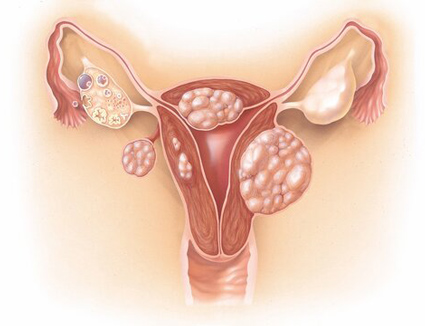
Non Descent Vaginal Hysterectomy is a type of vaginal hysterectomy that is performed in case of a prolapsed uterus i.e. when the uterus has descended into the vagina. It is generally recommended for conditions like Dysfunctional Uterine Bleeding, Fibroid Uterus, Adenomyosis, Chronic Pelvic Pain, Post menopausal bleeding, Cervical Dysplasia, Cervical Polyps

Non Descent Vaginal Hysterectomy is associated with less morbidity, lower health care costs, shorter hospital stay, minimal complications and better patient satisfaction compared to laparoscopic techniques Dr. Sarada Mamilla is the best doctor for non descent vaginal hysterectomy in India. She has the skill, expertise & experience to successfully perform this surgery even in the most complex cases.

Best gynecologist for normal delivery in Hyderabad -Dr Sarada

High Risk Obstetrics

A woman is said to have a high risk pregnancy when she or her baby or both are at an increased risk of health complications during or after delivery. Special care & expertise is required to ensure women with high risk pregnancy have a safe & healthy delivery.

In general, women under the age of 17 and above the age of 35 tend to experience health issues making it a high risk obstetric case. Women over 35 tend to experience gestational diabetes, preeclampsia (high blood pressure during pregnancy) or intrauterine growth restriction.

But age isn't the only factor responsible. Click the button below to know more.

Best doctor for hysterectomy in Hyderabad/India

Endometriosis

Did you know that an estimated 2% to 10% women in the age group of 25 to 40 develop endometriosis?

Endometrium is the tissue that lines the uterus. Patients with endometriosis tend to have a similar type of tissue outside the uterine cavity. Endometrial tissue that develops outside the uterus is known as endometrial implant.

The hormonal changes resulting from the menstrual cycles can affect the endometrial tissue causing it to grow, thicken & breakdown. This can lead to: Irritation, Scar Formation, Adhesions, Severe pain, Fertility Problems It generally occurs in ovaries, fallopian tubes. In some rare cases, the endometrial tissue may develop in the intestines, rectum, bladder, vagina, cervix or the vulva.

image
See More

View Our Latest Blog

00 +
Years

Experience

00 +
Robotic

Surgeries

00 +
Normal

Deliveries

00 +
Total

Hysterectomies

00 %
Patient

Satisfaction

Get In Touch

Frequently Asked Questions About Gynecologists & Treatments in Hyderabad

At Yashodha Hospotal, Somajiguda, 10:30 AM to 4:30 AM, and at Gruha Healthcare, Khajaguda, 5:00 PM to 7:30 PM. Call +91 85999 89995 or +91 992 8882 992 to ask the hospital for the latest schedule and appointment availability.

Yes. Many people have a vaginal birth during their first pregnancy. The likelihood depends on factors such as the baby’s position, the mother’s health, the progress of labor and any pregnancy complications. Your obstetrician can review these factors during antenatal visits and explain when a change in the delivery plan may be recommended.

Laparoscopic surgery uses a camera and instruments passed through small abdominal incisions. Depending on the diagnosis, it may be used to treat ovarian cysts, uterine fibroids, endometriosis and other gynecologic conditions. The suitable approach depends on the condition, previous surgeries, overall health and treatment goals.

Laparoscopic surgery uses small incisions, while open surgery usually requires a larger incision. For suitable operations, laparoscopy may mean less postoperative pain, a shorter hospital stay and an earlier return to daily activities. Some laparoscopic procedures are day surgeries; others require an overnight stay. Recovery may take days to several weeks depending on the operation, and open surgery may require a longer recovery.

Your care team may arrange blood tests or imaging, review medicines and allergies, and explain when to stop eating and drinking. Fasting instructions differ by procedure, anesthesia plan and hospital protocol; follow the exact written instructions from your surgical team rather than using a general time. Ask about medication changes, transport home, wound care, activity restrictions and warning signs after surgery.

Hysteroscopy lets a doctor examine the inside of the uterus using a thin camera passed through the vagina and cervix, without an abdominal incision. It can help diagnose or treat selected problems such as uterine polyps, some fibroids inside the uterine cavity and a uterine septum. The recommendation depends on symptoms, examination and test findings.

Mild cramping or temporary discomfort can occur. Pain relief or anesthesia depends on whether the hysteroscopy is diagnostic or includes treatment, as well as your health and preferences. Ask the clinician what type of pain control is planned and what symptoms should prompt a call after the procedure.

After a simple diagnostic hysteroscopy, many patients return to routine activities the same day or the next day. If treatment is performed, recovery may take several days or longer. Follow the discharge instructions about work, exercise, sex, tampons and driving, and seek medical advice for heavy bleeding, fever, worsening pain or foul-smelling discharge.

In robotic-assisted surgery, the surgeon controls a camera and instruments from a console. It may be considered for selected gynecologic conditions, including some fibroids and cases of endometriosis or gynecologic cancer. Robotic assistance is a surgical technique, not an independent treatment; suitability depends on the diagnosis, the surgeon’s expertise and available alternatives.

Not in every case. Both approaches may use small incisions, and the best option depends on the operation, disease complexity, the surgeon’s training, equipment availability and the patient’s needs. Robotic instruments can offer wristed movement and a magnified three-dimensional view, but robotic surgery may cost more and does not guarantee faster recovery or better outcomes. Ask the surgeon to compare the expected benefits, risks and costs of each suitable option.

Robotic myomectomy removes uterine fibroids while aiming to preserve the uterus. It may be considered when fibroids cause heavy bleeding, pressure, pain or fertility-related concerns. Fibroid size, number and location, symptoms, pregnancy plans and overall health help determine whether robotic, conventional laparoscopic or open surgery is appropriate.

Recovery varies with the number and size of fibroids and the surgical approach. After minimally invasive myomectomy, some patients resume light activities within about 1–2 weeks, while full recovery can take several weeks; open surgery often takes longer. Hospital stay may range from same-day discharge to a few days. These are general estimates, not a personal prediction, follow the surgeon’s discharge plan and ask when work, exercise and pregnancy attempts are safe.

The camera provides a magnified view and the instruments allow controlled movement in confined spaces. In selected cases, this can help a surgeon remove endometriosis lesions while working carefully around nearby organs. The extent of surgery depends on the disease location and severity. Discuss potential benefits, risks, alternatives and the possibility that symptoms may persist or return.

It may improve fertility for some patients, but pregnancy is not guaranteed. The likely effect depends on age, disease severity, ovarian reserve, other fertility factors and the type of surgery. Discuss your pregnancy goals and whether fertility evaluation or treatment should come before surgery.

Many ovarian cysts do not need surgery and may be monitored with follow-up ultrasound. A clinician considers symptoms, ultrasound appearance, whether the cyst changes over time, age and menopausal status. A cyst that is persistent, growing, complex, causing significant symptoms or has concerning features may need specialist assessment; size alone does not determine treatment. Sudden severe pelvic pain, especially with vomiting or faintness, needs urgent medical assessment.

Often, preserving healthy ovarian tissue is the aim of a cystectomy, but it cannot be guaranteed. The effect on ovarian function depends on the cyst’s type and location, the amount of healthy tissue involved, the condition of the other ovary and the details of surgery. Ask the surgeon about the possibility of reduced ovarian reserve and alternatives to surgery.

Pelvic floor reconstruction is surgery to repair or support weakened pelvic tissues in selected patients. The operation and recovery depend on the type of repair, general health and any other procedures performed. Hospital stay can range from same-day discharge to an overnight or longer stay, and activity restrictions may last several weeks. The surgical team should provide a specific recovery plan.

Robotic-assisted surgery may be an option for selected patients with certain gynecologic cancers, including some endometrial and cervical cancers. Eligibility depends on the cancer type and stage, tumor features, overall health and the treatment plan. A gynecologic oncology team should explain the recommended approach and alternatives.

No. Robotic surgery is one possible approach, not the right choice for every patient. Cancer type and stage, tumor size and location, previous surgery, overall health and treatment goals all affect the decision. A gynecologic oncology specialist should explain the options and why a particular approach is recommended.

Dr. Sarada Mamilla consults at Yashoda Hospitals, Raj Bhavan Road, Matha Nagar, Somajiguda, Hyderabad, Telangana-500082 and Gruha Healthcare, 5th Floor, Plot No 129, Prashant Hills, Khajaguda, Hyderabad, Telangana-500032

For an appointment, call +91 85999 89995 or +91 992 8882 992. Dr. Sarada Mamilla consults at Yashoda Hospitals, Raj Bhavan Road, Matha Nagar, Somajiguda, Hyderabad, Telangana 500082 and Gruha Healthcare, 5th Floor, Plot No 129, Prashant Hills, Khajaguda, Hyderabad, Telangana-500032. During the consultation, expect to discuss your symptoms, medical and pregnancy history, medicines, previous reports and any tests or treatment options that may be needed. Ask the hospital about current OPD timings, appointment availability, fees and insurance coverage when calling.

Bring relevant previous prescriptions, ultrasound or scan reports, laboratory results, a list of medicines and supplements, allergy information, and records of earlier treatments or surgeries. If you are pregnant, bring your antenatal records and available scan reports. These documents can help the clinician review your history and plan any necessary assessment.

A surgical consultation usually includes a review of symptoms, medical history, medicines, prior procedures and relevant test results. The doctor may recommend an examination or further tests, then discuss treatment choices, expected benefits, risks, recovery, alternatives and follow-up. You can ask about hospital stay, time away from work, fertility implications, total estimated costs and what would happen if you delay surgery.

Vaginal delivery is birth through the vagina; a C-section is an operation to deliver the baby through incisions in the abdomen and uterus. Vaginal birth generally avoids abdominal surgery and may allow a shorter recovery, while a C-section may be safer when specific maternal or fetal concerns arise. Both have risks and benefits.

Some patients can have a vaginal birth after a previous C-section, but it is not suitable for everyone. Eligibility depends on factors such as the type of uterine incision, the reason for the earlier C-section, prior births and current pregnancy factors. Discuss the benefits and risks with an obstetrician at a hospital able to provide urgent C-section care if needed.

Possible signs of polycystic ovary syndrome (PCOS) include irregular or infrequent periods, acne, increased facial or body hair, scalp hair thinning or difficulty conceiving. These symptoms can have other causes, so diagnosis usually involves medical history, examination and selected tests. Treatment depends on symptoms and goals, such as cycle regulation, skin concerns or pregnancy.

A hysterectomy removes the uterus and may be considered for selected conditions such as severe symptoms from fibroids, persistent abnormal uterine bleeding, uterine prolapse or certain cancers when other treatments are unsuitable or have not helped. It ends the ability to carry a pregnancy.

The total cost depends on the diagnosis, surgical approach, hospital stay, tests, medicines, surgeon and anesthesia fees, and whether complications require additional care. Insurance coverage varies by policy, waiting periods, exclusions, preauthorization and network rules. Ask the hospital for a written estimate and confirm coverage directly with your insurer before admission.

Risks vary by procedure and may include bleeding, infection, blood clots, reactions to anesthesia, injury to nearby organs, need for further treatment and complications related to healing. Some procedures also affect fertility or ovarian function. Ask the surgeon which risks apply to your planned operation, how they are reduced and which symptoms require urgent care.