
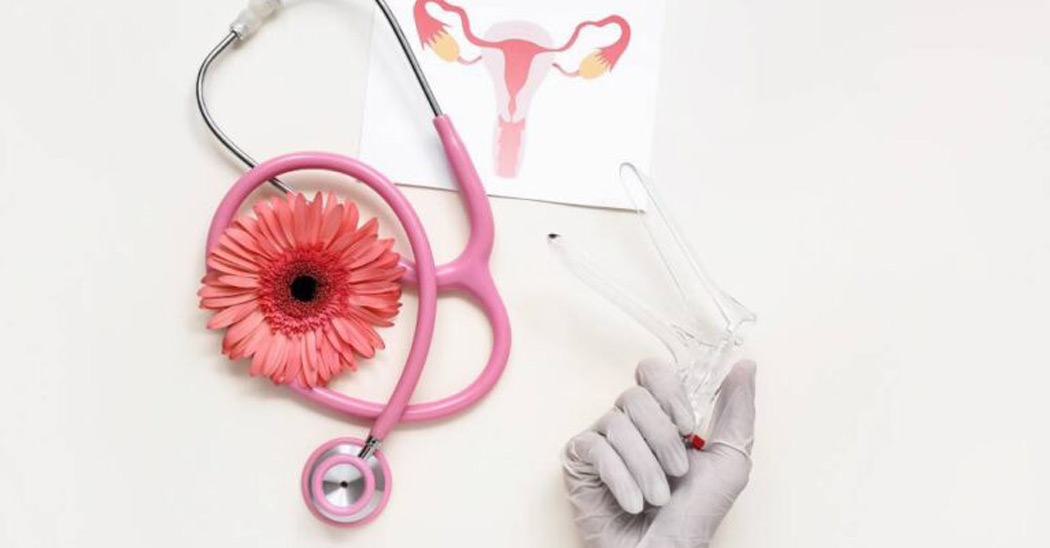

Uterine fibroids are noncancerous growths that commonly develop in women during their reproductive years. While many fibroids are small and symptomless, others can cause significant discomfort, including heavy menstrual bleeding, pelvic pain, bloating, or fertility challenges. For women looking to remove fibroids while preserving the uterus, laparoscopic myomectomy is often the preferred choice.
This minimally invasive surgical technique allows skilled gynecologists to remove fibroids with precision, resulting in less pain, faster recovery, and minimal scarring. Here’s everything you need to know about how laparoscopic myomectomy is performed, when it’s recommended, and what to expect from the procedure and recovery.
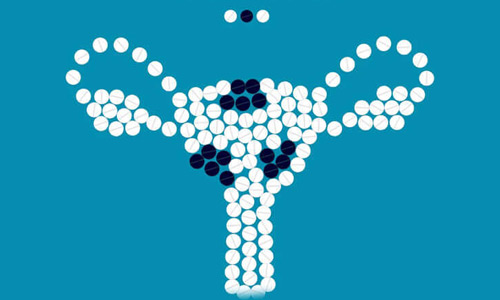
Laparoscopic myomectomy is a surgical procedure to remove fibroids (also known as myomas) from the uterus using a laparoscope, a thin, lighted tube with a camera inserted through small incisions in the abdomen. Unlike open surgery, this laparoscopic myomectomy surgery approach allows the uterus to be preserved, which is important for women who wish to maintain their fertility or avoid hysterectomy.
The goal of the surgery is to eliminate symptoms caused by fibroids while keeping the uterus intact and functional. An MRI or ultrasound to determine the location, size, and quantity of fibroids before suggesting surgery.
Usually, this kind of surgery is advised for women who:
Anesthesia: The procedure is done under general anesthesia, meaning you’ll be asleep and pain-free throughout.
Creating Access Points: The lower abdomen is cut with small incisions, usually three to four. Usually, these are shorter than half an inch.
Inserting the Laparoscope: A laparoscope is inserted through one of the incisions to provide a magnified view of the uterus on a monitor.
Removing the Fibroids: The other incisions are used to insert surgical tools. The fibroids are carefully cut away from the uterine wall. Depending on their size, the fibroids may be removed whole or in pieces using a technique called morcellation.
Uterine Repair: The uterus is then stitched using minimally invasive suturing techniques to ensure proper healing and function.
Closing the Incisions: Once all fibroids are removed, the instruments are taken out, and the small incisions are closed with stitches or surgical glue.
Compared to open abdominal surgery, laparoscopic myomectomy offers many advantages:
After surgery, mild discomfort and bloating are common for a few days. To ensure a seamless recuperation, your physician will suggest activity limitations and pain management techniques. Within a week or two, the majority of women return to work and light activities.
Follow-up visits will include physical exams and possibly imaging to ensure proper healing and rule out recurrence of fibroids.
Laparoscopic myomectomy is a powerful option for women who want relief from fibroid-related symptoms without sacrificing fertility. With the right gynecologist and proper planning, the procedure offers a high success rate and a path back to a healthier, more comfortable life.
Ready to take control of your reproductive health? Consult with the leading gynecologist in Hyderabad today and discover whether laparoscopic myomectomy is the right choice for you.
Are you an international patient looking for the best gynecological care in India? Consult Dr. Sarada Mamilla, the best gynecologist & Laparoscopic Surgeon in India, offering top notch care for complex cases of uterine fibroids, endometriosis, adenomyosis & gynecological malignancies.
Copyright © 2025 All rights reserved By Dr.Sarada
