


Uterine fibroids are benign growths that develop within the uterus, made up of smooth muscle tissue and fibrous material. They may appear as a single mass or multiple lumps, and their size can vary from a few millimetres to several centimetres. In some cases, fibroids can grow so large that they expand the abdomen, giving the appearance of pregnancy.
Fibroids are categorized into four types, depending on where they develop within the uterus.
Intramural fibroids: Some fibroids develop within the muscular layer of the uterus, becoming part of the uterine wall and possibly changing its structure and overall size.
Submucosal fibroids: These fibroids form just beneath the uterine lining, pressing into the inner cavity of the uterus.
Pedunculated fibroids: These are the rarest form of fibroids, growing on a thin stalk connected to the uterus. Their shape often resembles a mushroom, with a narrow stem supporting a broader top.
Serosal fibroids: These fibroids arepound beneath the outer layer of the uterus and can expand outward into the pelvic region, sometimes reaching a considerable size.
Fibroids can either be symptomatic or asymptomatic. Common symptoms include prolonged or heavy menstrual bleeding, delayed periods, severe menstrual cramps, pelvic or lower back pain, frequent urination, bloating, abdominal discomfort, constipation, and pain during intercourse. In some cases, they make it difficult to conceive.
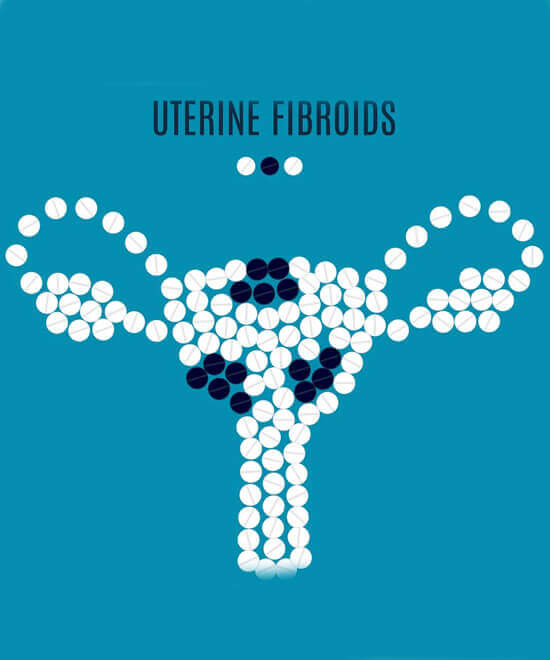
Dr Sarada Mamilla, one of the best doctors for fibroids in Hyderabad, had encountered many patients with a lot of misinformation concerning fibroids. It is very important to stay informed about myths and facts surrounding uterine fibroids.
Myth: Fibroids are cancerous.
Fact: Dr. Sarada clarifies that fibroids are considered tumors because they involve an unbridled mass of cell growth. However, they are almost always benign and non-cancerous, so having fibroids does not mean a woman has cancer.
Myth: It’s commonly believed that fibroids are found only in older women after menopause.
Fact: According to Dr. Sarada, fibroids can develop at any age but are most commonly diagnosed during a woman's reproductive years. Since many women experience no symptoms or mistake them for normal menstrual discomfort, fibroids often go unnoticed for a long time.
Myth: Many women believe that having fibroids makes it difficult or impossible to conceive.
Fact: Dr. Sarada explains that many women with fibroids can conceive naturally and go on to have healthy pregnancies. However, when fibroids are large or located within the uterine cavity, they can increase the chances of complications such as implantation issues, miscarriage, or preterm labor.
Myth: Fibroids shrink and disappear after menopause.
Fact: Dr. Sarada explains that while fibroids may shrink after menopause due to a drop in hormone levels, they do not always disappear completely. Or they remain the same.
Clearing up the myths around uterine fibroids can make a big difference in how women approach their health. Dr. Sarada encourages women not to let fear or misinformation hold them back from getting the care they need. If you’re noticing symptoms or simply have questions, talk to a doctor early. The right guidance at the right time can make managing fibroids much easier and help you feel more in control of your health.
Are you an international patient looking for the best gynecological care in India? Consult Dr. Sarada Mamilla, the best gynecologist & Laparoscopic Surgeon in India, offering top notch care for complex cases of uterine fibroids, endometriosis, adenomyosis & gynecological malignancies.
Copyright © 2025 All rights reserved By Dr.Sarada
