
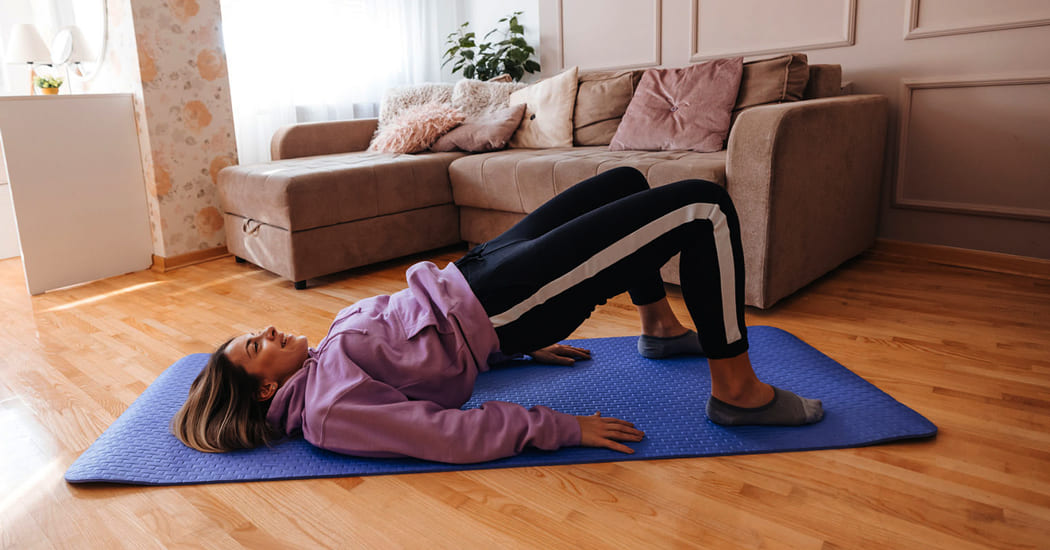


The pelvic floor plays a main role in a woman's overall health. The uterus, Posture, bladder and bowel control are all supported by these muscles. Pregnancy, age, hormonal and lifestyle changes weakens these muscles.
Pelvic floor consists of Muscles and connective tissues that extend to the base of the Pelvis.
Strong pelvic floor muscles are important for all women, not just those who have just given birth, according to Dr. Sarada Mamilla. Whether you are young, about to enter menopause, postpartum, or expecting a pregnancy, It increases reproductive health and ability to control bladder.
These symptoms may affect women not just after childbirth. It can reflect at any stage of the life.
Dr Sarada Mamilla recommends these exercises to increase the pelvic support.

Kegel is said to be one of the most effective exercises to strengthen the Pelvic muscles. You can do this exercises while sitting, lying down. This exercise involves contracting and relaxing of the Pelvic muscles.
Experts highlight significant kegel exercises benefits, such as reduced leakage and improved pelvic strength within weeks of regular practice.
For better results, practice these exercises while breathing normally and avoid using your stomach, legs, or glutes. Magnesium-rich foods like spinach, almonds, bananas help in relaxing pelvic muscles. Also, learning to relaxing the Pelvic muscles is as important as strengthening them.
Pelvic training is effective when it is done correctly.
Sometimes, pelvic physiotherapy or guided care is needed, especially postpartum or after surgeries.
Dr Sarada Mamilla explains that every woman can benefit, including Pregnant women (with doctor guidance), Postpartum mothers, Women who doesn’t have their bladder under control, Women near to menopause or post-menopausal.
If you experience pain during pelvic exercises, difficulty locating pelvic muscles, or symptoms like heaviness consult a gynaecologist or pelvic physiotherapist for guidance.
Are you an international patient looking for the best gynecological care in India? Consult Dr. Sarada Mamilla, the best gynecologist & Laparoscopic Surgeon in India, offering top notch care for complex cases of uterine fibroids, endometriosis, adenomyosis & gynecological malignancies.
Copyright © 2025 All rights reserved By Dr.Sarada
